
GUIDE 01 / ENVIRONMENT
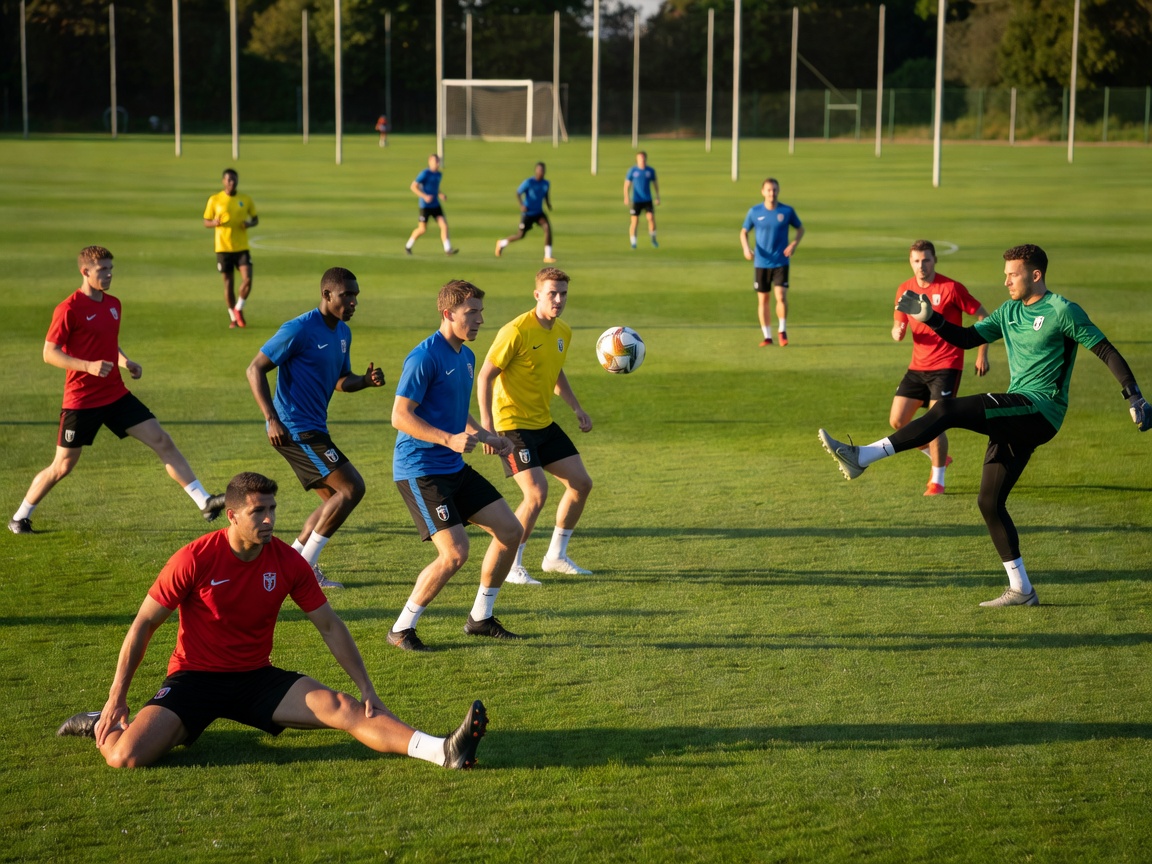
Youth Academy Structures
How age groups, coaching teams, schedules and support systems fit together—and what families can reasonably ask before choosing an environment.
Read the academy guideFOOTBALL DEVELOPMENT / ACADEMY GUIDE
A thoughtful field guide to the environments where young players learn: the coaching, practice design, facilities, relationships and education that shape development over time.
THE JOURNAL / FIVE FIELD GUIDES
Start with the part of the journey you want to understand. Each guide connects practical questions to the wider picture.
GUIDE 01 / ENVIRONMENT
How age groups, coaching teams, schedules and support systems fit together—and what families can reasonably ask before choosing an environment.
Read the academy guide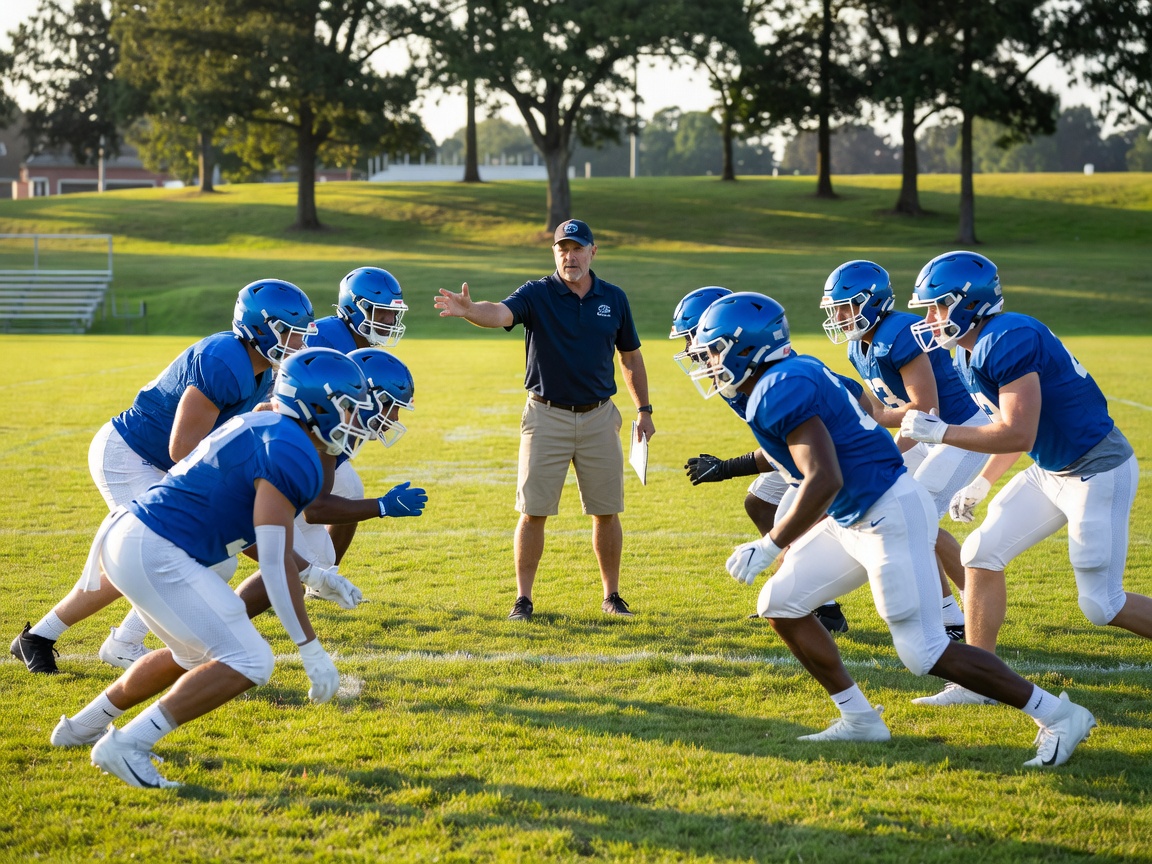
GUIDE 02 / PRACTICE
Explore technical practice, game-based learning, feedback and session design. Good coaching makes the purpose of practice visible without removing the joy of play.
Explore coaching methods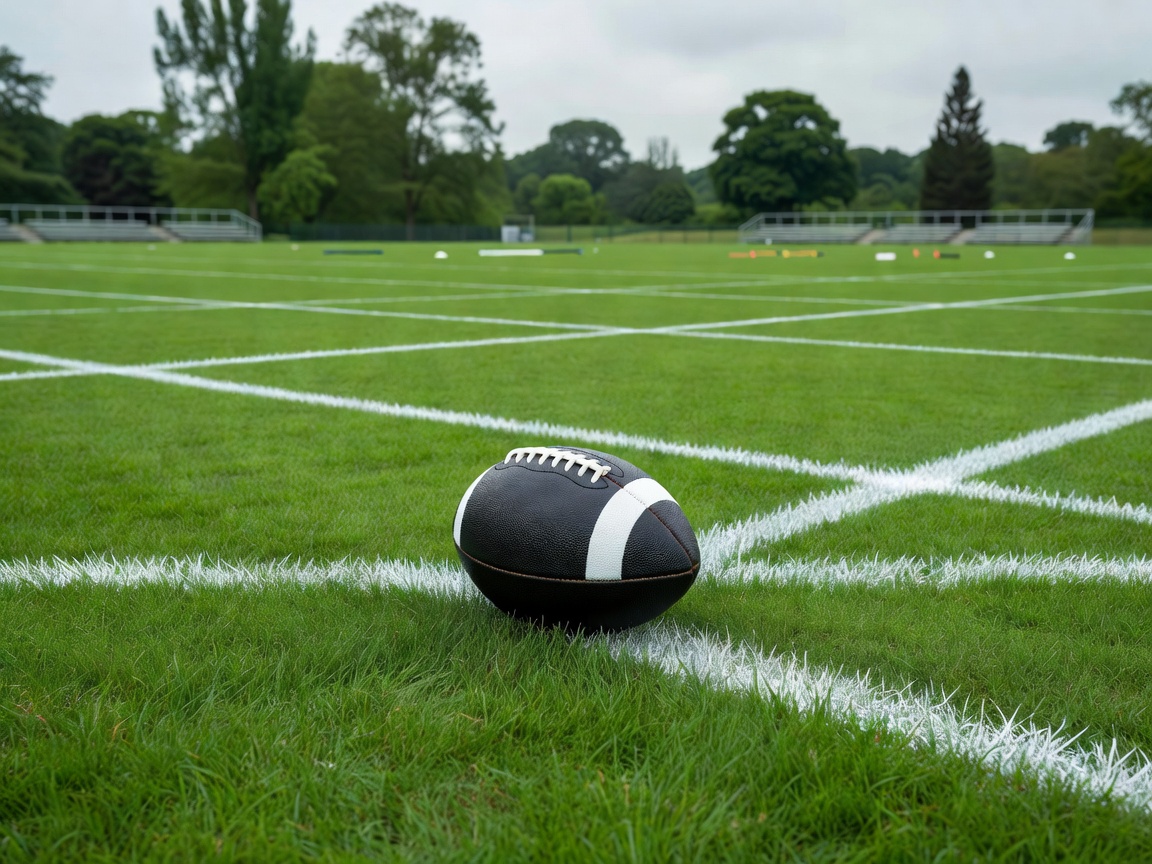
GUIDE 03 / LONG-TERM LEARNING
Technical, tactical, physical and personal growth rarely move at the same pace. Learn how thoughtful reviews and varied pathways support a longer view.
Follow player pathways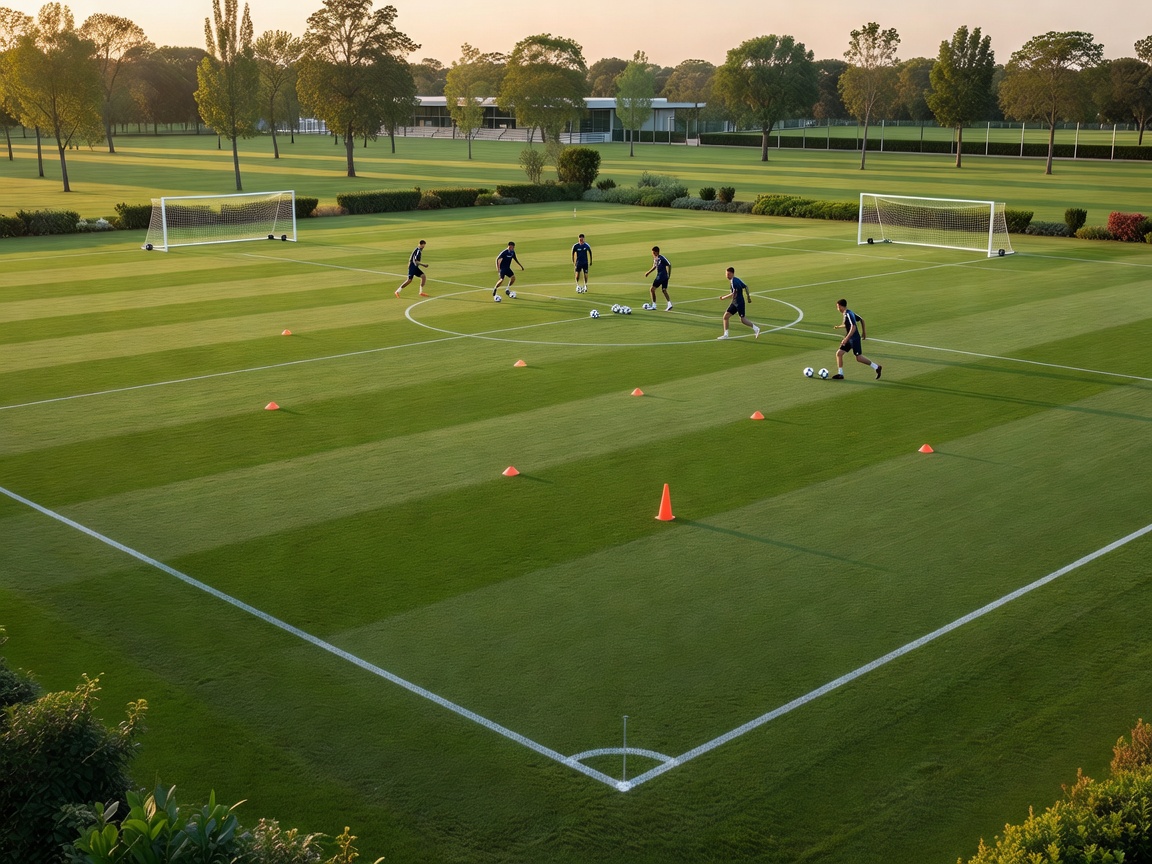
GUIDE 04 / PLACE
From playing surfaces to analysis rooms, facilities are tools. Consider what each space enables, how it is maintained and whether it is accessible.
Tour the training environment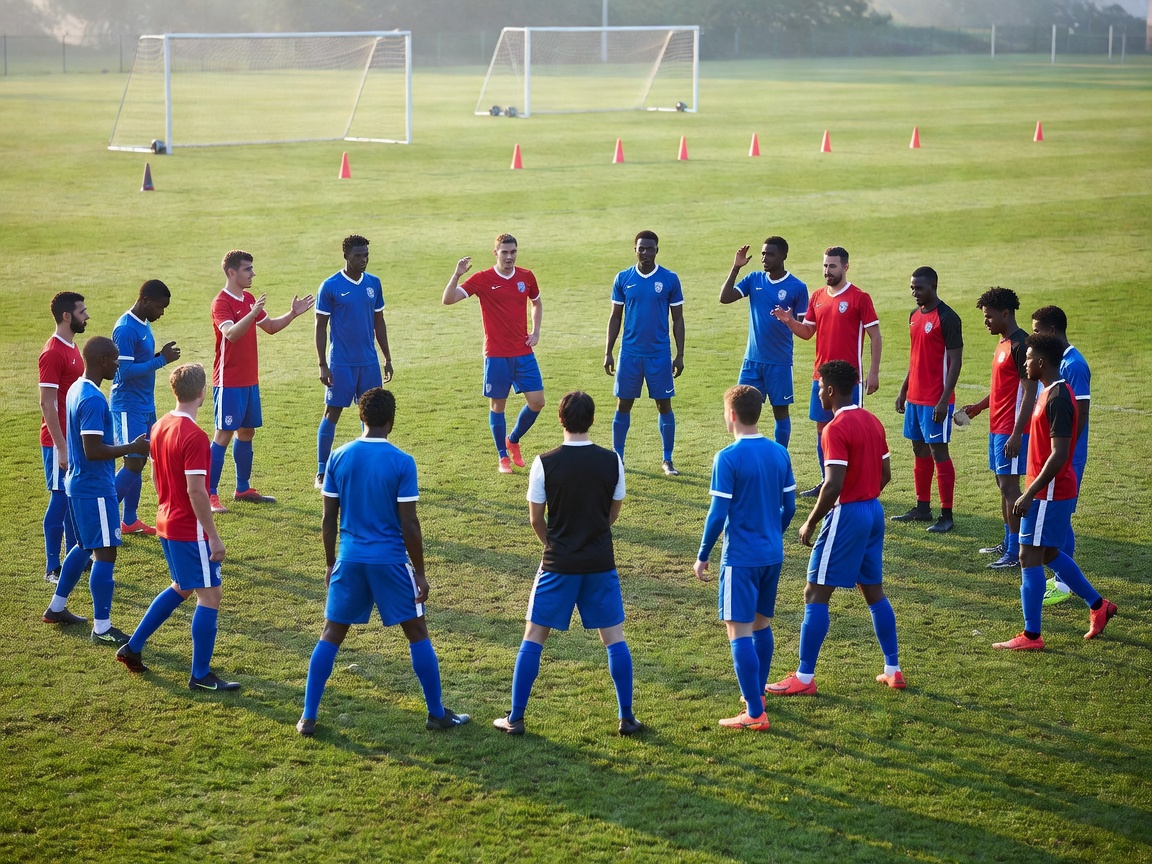
GUIDE 05 / THE WHOLE PERSON
Football sits alongside school, rest, relationships and personal identity. Explore the practical habits and safeguards that help keep those parts in view.
Read about education & wellbeing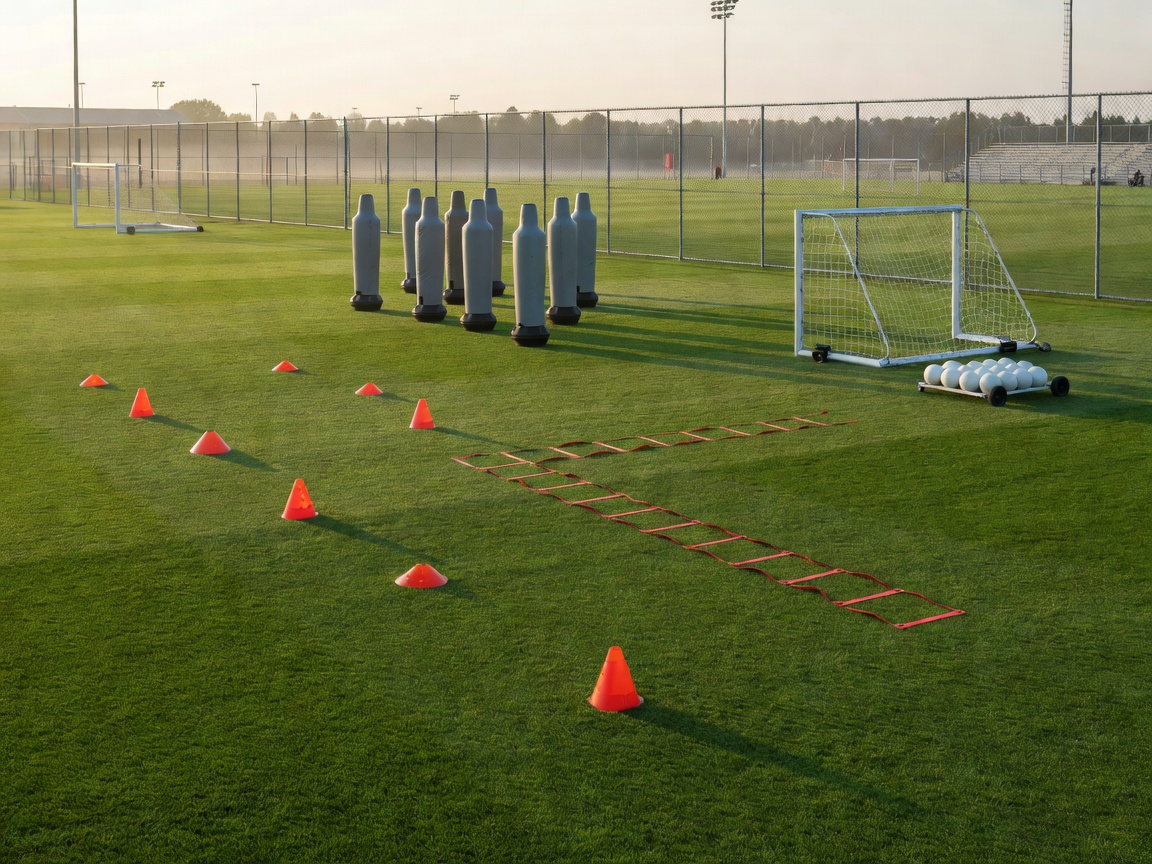
A CONNECTED DEVELOPMENT ENVIRONMENT
Coaching quality, training design, repetition and feedback all matter, but so do match experience, physical maturation, rest, education and supportive relationships. These factors interact: a player may understand a new idea in practice before they can use it consistently in a match.
Development is not a straight line. Confidence, growth, opportunity and context can shift at different times for different players. A useful environment notices those differences, sets a suitable challenge and values learning—not just the latest result.
Explore the whole-player viewFROM TRAINING SESSION TO MATCH UNDERSTANDING
Well-designed sessions connect a clear idea to practice, decisions and reflection. They make room for players to try, adjust and learn from what happens.
The sequence is a useful planning lens, not a formula. Players need varied practice and match experiences; no single method guarantees a particular outcome.
KEEP EXPLORING
Browse all five guides or get in touch with an editorial question.