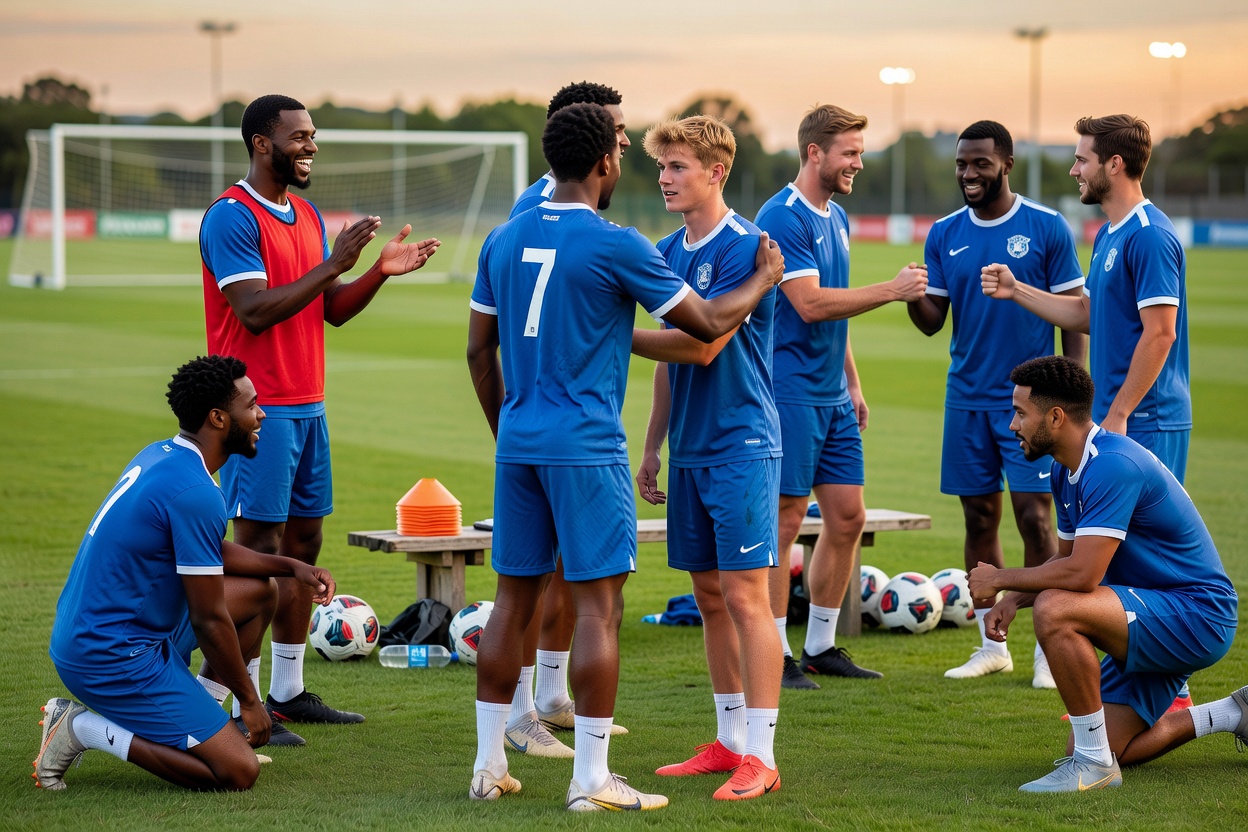
Youth development should support the whole person, not only performance on the pitch. School, family life, friendships, health and identity all continue while a player trains. A programme that recognises those realities can help young people participate with clearer expectations and more supportive relationships. This guide is general information, not medical, nutritional, psychological or safeguarding advice.
Education belongs in the picture
Training schedules can interact with school hours, homework, examinations and travel. Families can ask how a programme communicates its timetable, what happens when school demands are high and whether the young person has time for rest and other interests. An academy should explain its actual arrangements; do not assume that a particular school partnership, tutoring service or qualification exists unless the organisation confirms it.
Education is broader than classroom performance. Players can learn communication, responsibility, reflection and how to manage commitments. These skills matter whether or not football remains a central part of their lives. A young person should not be made to feel that seeking help with school or personal pressure shows a lack of commitment.
Rest, hydration and general habits
Rest is part of a balanced routine. Young players may need to manage training, matches, travel and ordinary daily demands. Families can encourage sensible routines and open conversations about tiredness, but should avoid turning wellbeing into another performance target. If there are concerns about health, pain, fatigue or recovery, speak with an appropriately qualified healthcare professional.
General nutrition education can help young people understand regular meals, variety and hydration in everyday terms. Individual needs differ, and a youth player should not be put on a restrictive or specialised diet based on generic online advice. For personalised nutrition questions, consult a suitably qualified professional. Coaches can create a respectful environment by avoiding body shaming and not making unsupported claims about food or supplements.
Sleep habits are also part of wellbeing. Consistent routines may be helpful, but needs vary with age and circumstance. Avoid presenting a particular sleep plan as a guaranteed way to improve performance. The practical starting point is to notice how football commitments fit around daily life and seek professional advice when concerns persist.
Emotional wellbeing and managing pressure
Players may experience excitement, disappointment, nerves or frustration. Coaches can help by setting age-appropriate expectations, listening without ridicule and treating mistakes as part of learning. Constructive feedback focuses on behaviours and choices rather than personal worth. Team relationships should encourage respect, inclusion and sportsmanship, including when competition is intense.
Young people need trusted ways to raise concerns. They should know which responsible adults they can approach and what happens after they do. A club or programme should explain its current safeguarding procedures and reporting channels clearly. Families can ask who is responsible for receiving concerns, how players can contact them and how the organisation handles urgent issues. This guide does not create or verify any specific organisation’s policy.
Injury concerns and appropriate guidance
Players should be able to report pain or an injury without pressure to hide it. Coaches and families can listen, follow the organisation’s current safety process and seek appropriately qualified healthcare advice. Decisions about diagnosis, treatment and return to activity belong with qualified professionals who understand the individual situation. A general article cannot clear someone to play or replace clinical guidance.
Communication matters. Players should know how to tell a trusted adult what they are experiencing; parents and carers should know who to contact; and coaches should understand the limits of their role. If a player feels unsafe or cannot raise an issue through the usual route, seek appropriate local support through a trusted safeguarding or professional channel.
Wellbeing and education checklist
- Are training, match and travel commitments explained clearly?
- Is there room to balance football with school, rest and other responsibilities?
- Can players identify a trusted adult and a clear reporting route?
- Are safeguarding arrangements and contact points explained to families?
- Are coaches respectful when players make mistakes or raise concerns?
- Are nutrition and recovery discussed responsibly, without unsupported promises?
- Can players report injury concerns without pressure to continue?
- Are players encouraged to develop interests and identity beyond football?
Enjoyment and a balanced identity
Ambition can be meaningful, but it should not become the only measure of a young person’s value. Families can ask open questions about what the player enjoys, what feels difficult and what support would help. They can recognise effort without treating every session as an audition. Coaches can provide challenge while keeping the language respectful and the expectations appropriate to the individual.
Young people may change interests or need to adjust their involvement. A change in training frequency, team or pathway is not a moral failure. Supportive adults can help players understand choices and keep social connections, education and wellbeing in view. Football can be an important part of development without defining the whole person.
Related field guides
Explore academy structures, player pathways and the practical considerations in training facilities.
Ask a thoughtful question
Contact the journal with feedback or a topic suggestion. For urgent health or safety concerns, use qualified local support.
Contact the journal